
NMAAM 5TH Year Anniversary
December 3, 2025 – Present
Feature Gallery
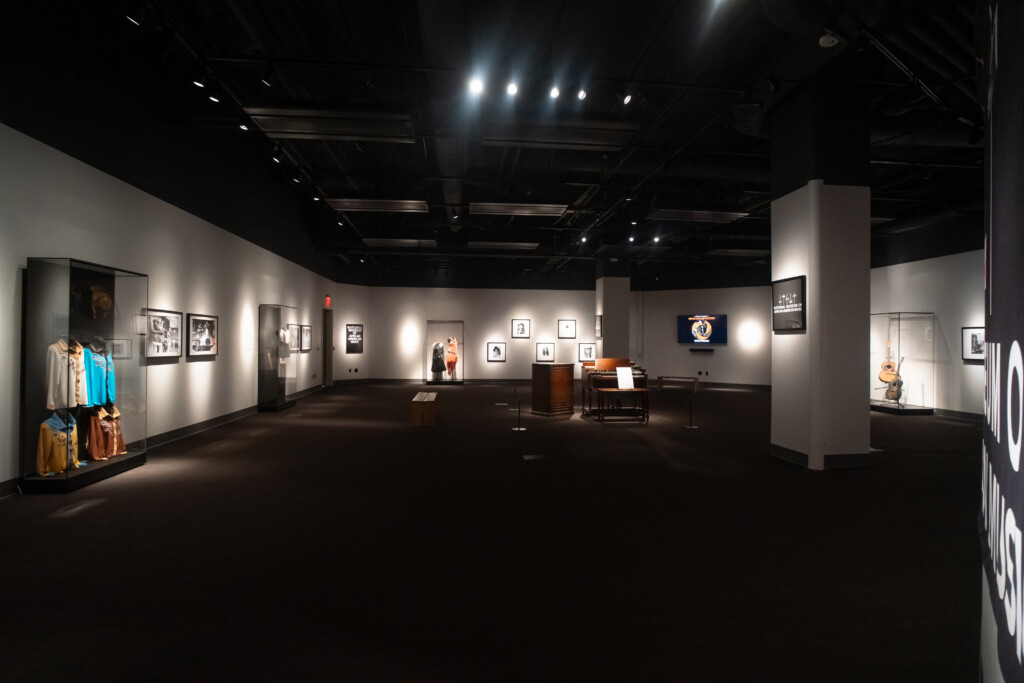
In 2026, the National Museum of African American Music proudly celebrates its 5th anniversary. The museum broke ground in early 2017 and opened its doors to the public in 2021. Since then, NMAAM has welcomed visitors from across the country and around the world, becoming a cultural landmark in the heart of Music City. Throughout these five years, the museum has been intentional and meticulous in building the artifact collection that anchors our storytelling.
Through our newly established Roots and Streams project, this exhibition highlights five collections:
- The BoykinZ
- Bettye Crutcher
- Petrella
- Cortelia Clark
- Gus Poole
These contributions have been donated to the museum since our opening. These displays reflect how NMAAM actively pursues and preserves material culture and musical narratives that are often suppressed, overlooked, or forgotten. It is our honor and our responsibility to steward these treasures and ensure their stories endure.
The BoykinZ
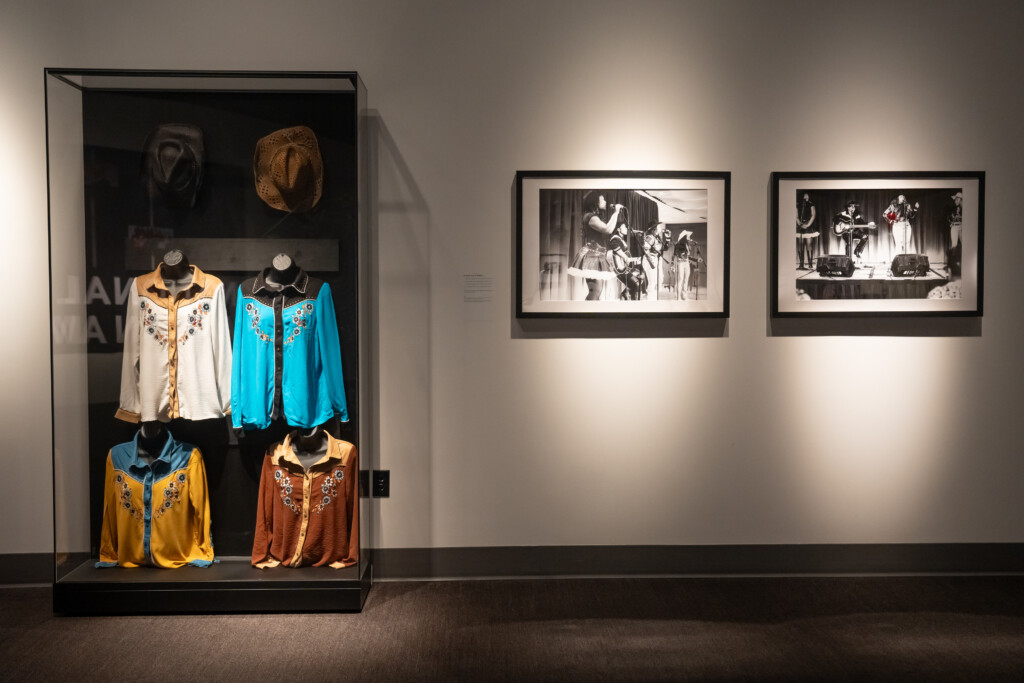
The BoykinZ are a four-piece country group from Snellville, Georgia, a suburb of Atlanta. Established in 2022, the group is made up of four sisters—Kylan, Anale, Nytere, and Alona. Rooted in contemporary country, they weave in soul, pop, and hip-hop influences to create a sound uniquely their own. Their rise began on social media, where viral covers and performances earned them over 80 million TikTok views and more than 500,000 followers. In 2024, they became the first country act to sign with Quality Control Music. That same year, they released their breakthrough single “Fell in Love with a Cowboy.”
Bettye Crutcher
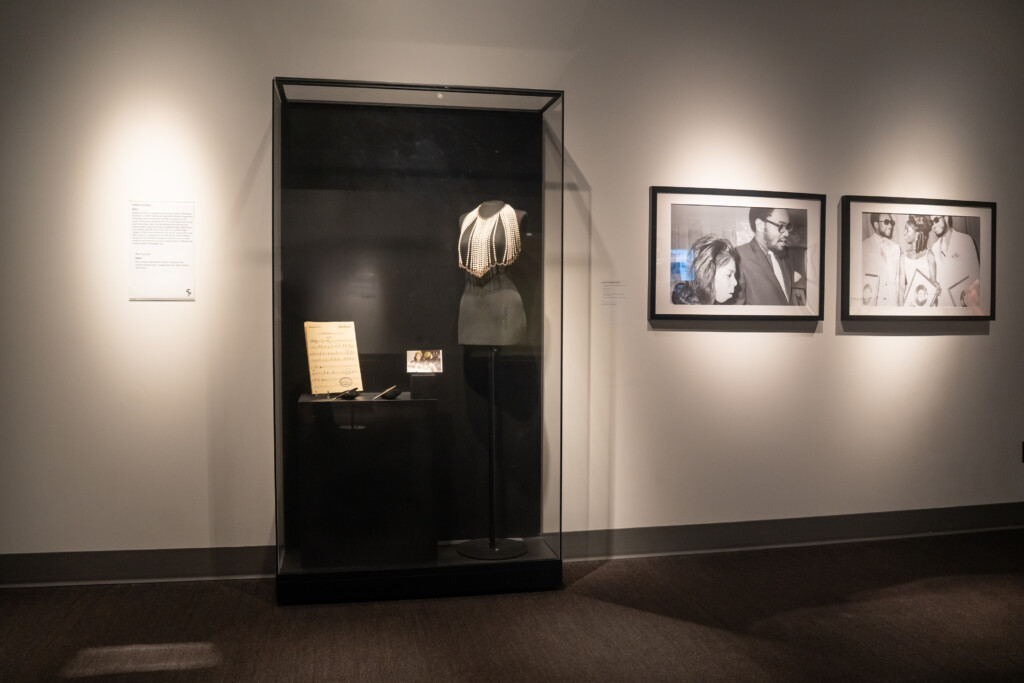
Bettye Crutcher is a songwriter and musician born in Memphis, Tennessee, in 1939. She was among the first female songwriters at the legendary Stax Records and the sole woman on the label’s acclaimed writing team We Three with Homer Banks and Raymond Jackson. Her vivid storytelling and soulful lyricism helped shaped songs for artists including Otis Clay, Albert King, Sam & Dave, Johnnie Taylor, Carla Thomas, and The Staple Singers. In 1974, she released her solo album Long as You Love Me, created in collaboration with the Muscle Shoals Rhythm Section and the Memphis Symphony Orchestra. As a mentor, producer, and creative visionary, Crutcher played a defining role in the evolution of Memphis soul.
Petrella Anne Bonner
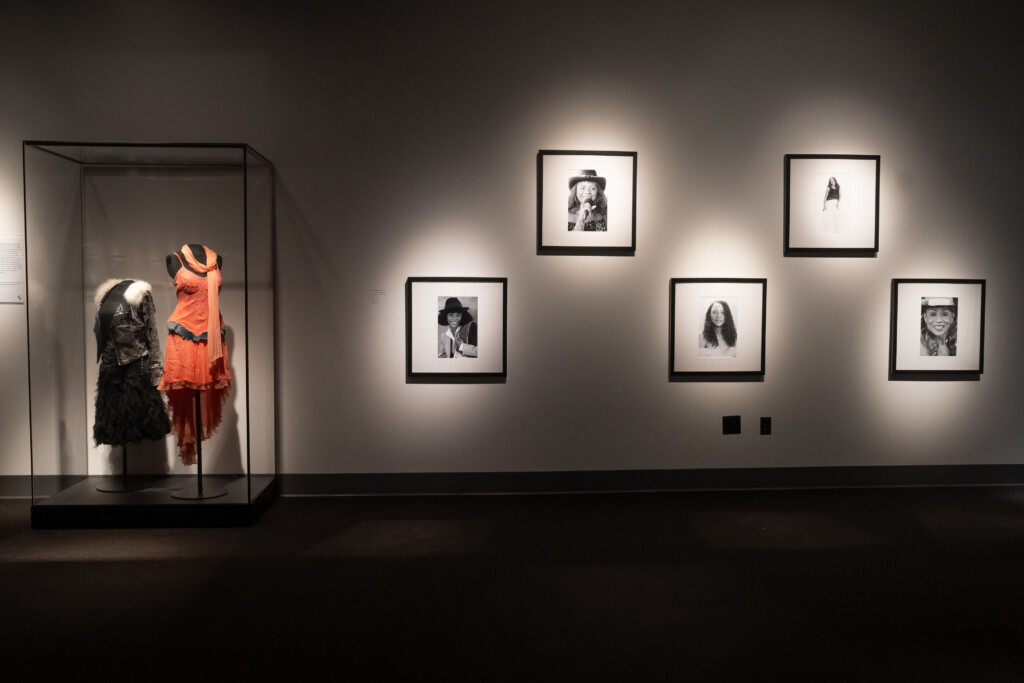
Petrella Anne Bonner is a central–Arkansas born country singer and a pioneering figure in the rise of Country Soul in the late 1980s. After nearly two decades as an accountant, she shifted careers and earned her first record deal with Playback Records in 1988. As one of the very few African American women recording country music in the 1980s and 1990s, Petrella became known as the First Lady of Country Soul. Her work received major recognition, including Tracker Magazine nominations for Album of the Year and New Female Vocalist of the Year in 1994, along with a Songwriter of the Year award from the Nashville Songwriters Association International. She has toured nationally and performed with or opened for major acts such as Gladys Knight, Ray Charles, and The O’Jays. Petrella has released eight studio albums and has been honored by the Arkansas Black Hall of Fame, underscoring her cultural significance and enduring influence.
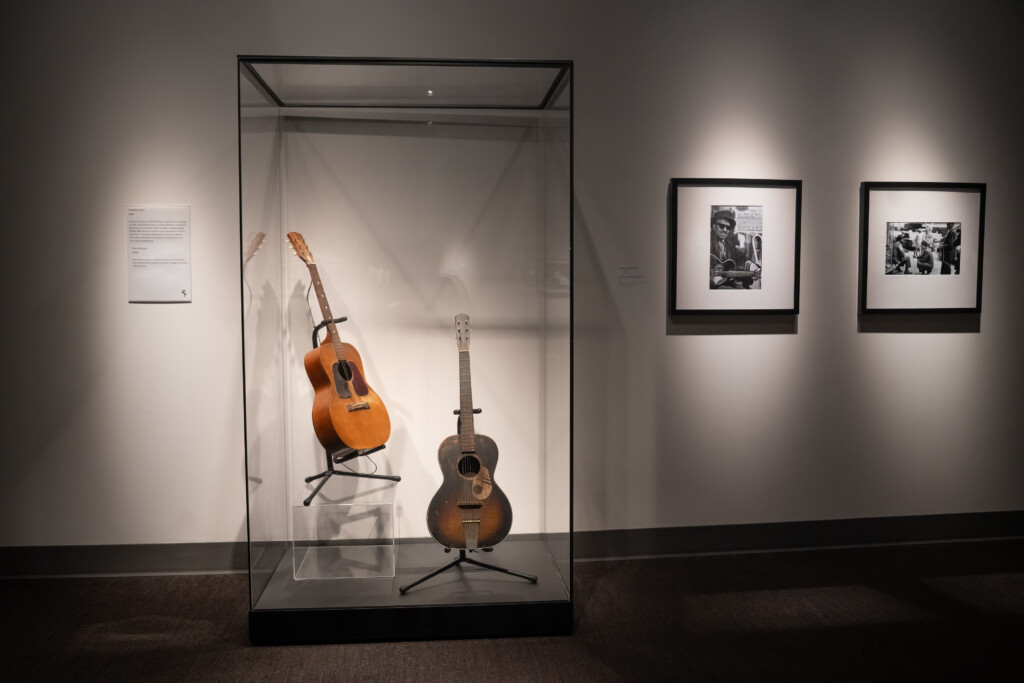
Cortelia Clark
Cortelia Clark was an influential blues musician born in Chicago in 1906. He gained notoriety as a street performer in Nashville’s West End area during the 1950s and 1960s. Peabody College student Mike Weesner assisted in the development of Clark’s 1964 demo. The demo ultimately led to Clark recording his 1967 album Blues in the Streets. The album won that year’s Best Folk Recording.
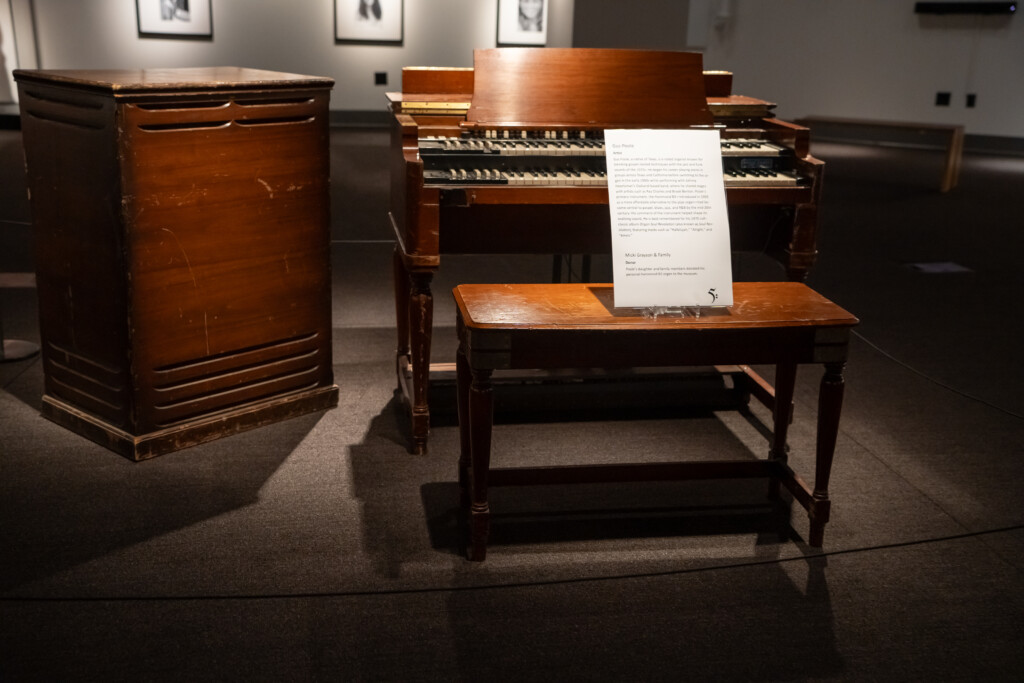
Gus Poole
Gus Poole, a native of Texas, is a noted organist known for blending gospel-rooted techniques with the jazz and funk sounds of the 1970s. He began his career playing piano in groups across Texas and California before switching to the organ in the early 1960s while performing with Johnny Heartsman’s Oakland-based band, where he shared stages with artists such as Ray Charles and Brook Benton. Poole’s primary instrument, the Hammond B3—introduced in 1935 as a more affordable alternative to the pipe organ—had become central to gospel, blues, jazz, and R&B by the mid-20th century. His command of the instrument helped shape its evolving sound. He is best remembered for his 1970 cult-classic album Organ Soul Revolution (also known as Soul Revolution), featuring tracks such as “Hallelujah,” “Alright,” and “Amen.”